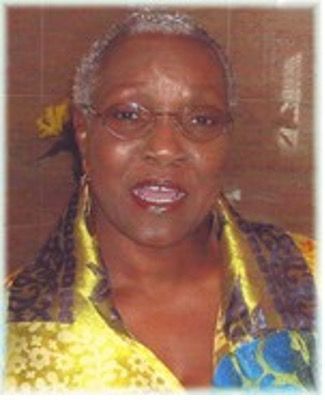
CECE PHILLIPS: Entrepreneur extraordinaire
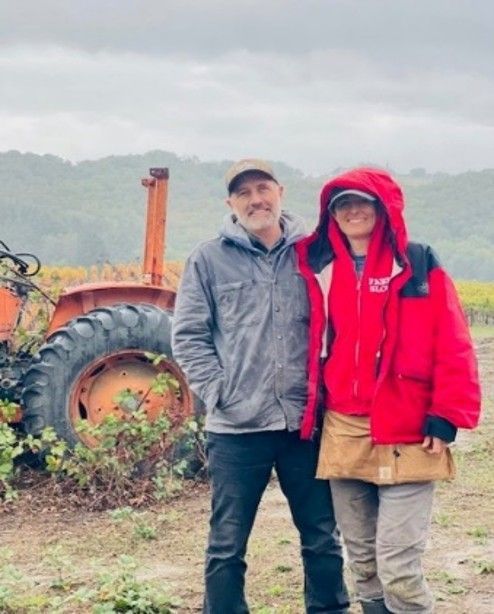
Kibo Farm’s Vince and Jenny Trotter. Here is the background of business experience, philosophy, and passion that Jenny and her husband Vince have used to start and develop a successful small business. (This interview written in part by Lauren Papalia a Sonoma County writer and part-time farmer and edited in length with some added details by Paul Terry) LP (Lauren Papalia) : Kibo Farm’s crops are nestled in a bowl, surrounded on three sides by Belden Barns grapevines. What are the nuances of your topography and the challenges and advantages that come with it? KF (Kibo Farm) : The property itself sits nearly 1,000 feet up the Northwestern flank of Sonoma Mountain, looking out over Rohnert Park and Bennett Valley. The beauty of this spot is that we rarely, if ever, get frost because cold air slides down the mountain, settling in the lower elevations. Our lemon, mandarin, lime, and yuzu trees love it! With that topographical feature working in our favor, we’ve got more citrus trees planned, which will help with wintertime cashflow. LP: Kibo Farm was an inaugural cohort of co-op members at FEED. Jenny, you were formerly the Board's president. Philosophically speaking, what are some of the challenges and benefits of structuring an organization in this way? KF: There are many benefits to the co-op model for the key stakeholders – in our case, the farms and FEED employees – are able to have a voice in how the business operates. The work that FEED does – marketing, selling, and moving local products from farms to customers – is such an essential part of the food chain. We can grow delicious produce, but we need to get it to eaters. With a cooperative structure, we are creating a robust, collaborative, and sustainable organization that we know we can count on. Additionally, we can reach buyers of scale that we might not have been able to serve well individually. LP: What do you find most rewarding about farming? KF: Hands down – the pleasure of feeding people. That may sound corny, but we get such a high watching friends or family enjoy a delicious meal that you prepared, multiply that by 10 and you will understand. We may not be in the restaurants and homes where our produce is served, but we know many of the chefs who buy from us, and our neighbors and friends. This is proof that our labors nourish and even delight our community. That brings us deep satisfaction. LP: You told us that “farming is the life to which you’ve been called, and if one word captures the feeling of that calling, it’s stewardship.” What does "stewardship" means to you? KF: Stewardship for us is bringing our whole selves to farming and making choices that result in long-term benefits to the land and to the living beings reliant on that land. It is about caring for this place for the time we are here and for the benefit of future generations. We don’t own this land but feel so grateful to be able to farm it and for the relationship we have with the landowners. Nate and Lauren Belden, who own the property recognize that, in this region, there is an imbalance by which land usage for wine grapes often outcompetes other forms of agriculture. They felt that sharing land can actually create some interesting opportunities that benefit the different crops as well as the people who farm them. The Beldens are conscious of the constraints placed on producers like us and work hard to make sure that our relationship works for everyone involved. LP: What’s something you wish more people knew about farming? KF: Over the last 20 years, farming has been glamorized where some farmers enjoy a near-celebrity status. This elevated profile of agriculture has helped all of us to find new markets and new customers. But farming sometimes gets labeled a "lifestyle" rather than a "living". Every farm is a small business struggling to stay alive. If many of us work second jobs that doesn't diminish the farm as an important enterprise, it simply underscores the difficult economics of producing food in this day and age. Across the US, the average farm makes less than 25% of the income they need to support their families from revenue generated on the farm. The bulk of what they need comes from other jobs. At Kibo Farm, land and housing is subsidized, but we still rely on off-farm work to cover over full cost of healthcare, childcare, etc., and so do our employees. LP. The USDA cites small holdings like Kibo account for over 90% of all US farms but only 15% of overall market value of agricultural production. How do we make this better? Do co-ops help ameliorate some of these issues? KF: We have to work together to solve problems like the high cost of land and disparate degrees of access. We have to raise the expectations for how much food should (because it actually *does*) cost. With time, we need to find ways to compensate farmers and ranchers not just for their products but also for the ecosystem services they provide to the community as a whole: sequestering carbon in the ground, converting food waste into soil-enriching compost, maintaining open landscapes, reducing wildfire fuels, and staving off invasive plants and insects. In terms of solutions, cooperative ownership models certainly play a significant part. By coming together with other farms who are technically our competitors, we can work together to supply food to communities on a much larger scale, creating economic security for the farms and a more stable supply chain for the communities. Cooperative ownership of land where farms pool capital and spread the risk of expensive acreage could be an interesting solution in competitive regions like ours. LP: What is your vision for the farm's future? What are you most excited or hopeful about? KF: One unique aspect of our farm business is the interdependent relationships we’ve built with certain chefs in the Bay Area. For several restaurants, we sit down each winter, pour over seed catalogs, talk about what we’re dreaming of and all the new things we’d like to try. From those conversations spring crop plans and lay out lists of different produce along with quantity and frequency of delivery. This kind of close-knit relationship brings security, because 70% of what we grow is virtually pre-sold. This allows us to take risks and deliver items to these chefs that they might not find anywhere else. Having partners who value what we do and entrust us with something so core to their own business inspires us deeply and injects every Spring with a spirit of excitement and even mystery that keeps us going.
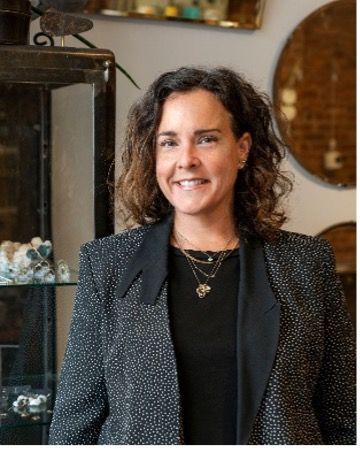
As the coordinator of Renaissance Entrepreneurship Center‘s Business Planning Class, I helped small business entrepreneurs prepare for their emerging small businesses. Melissa was a very active student and role model for others – both with her classmates and her referrals to others to become future business owner. Melissa is an amazing jewelry designer and very smart and generous businesswomen. Melissa Joy Manning has created a socially responsible fine jewelry brand featuring unique, modern designs influenced by her passion for travel, art, and culture. The line encompasses multiple collections including one-of-a-kind pieces, signature designs, and custom, non-traditional wedding jewelry. Here are some thoughts that Melissa shared on goals, planning and having a vision. Melissa suggests that it was with our combined help (and from mother at Renaissance) that she learned about the importance of setting well-defined goals: “I was lucky enough to have had an amazing teacher, Paul Terry, at the Renaissance Center in San Francisco, who taught me the importance of vision. He taught me to envision my success and what it would encompass. I used these goals as benchmarks when building my brand. Every time I reached one, I would sit down and create another. As the ‘visions’ kept coming true, they emboldened me to think bigger and more creatively each time.” Here is some of Melissa’s great advice for others considering or running a small business of their own: Make sure it’s what you want to do. If you really love doing something consider how it will change when it becomes a business. I meet a lot of people who loved a hobby but when they had to economize it on a daily basis, found that they lost all joy in it. This must be something that you really want to do and will commit to do it for the longer term. Know that your life will change Your friendships, relationships, how you view the world…everything will change.. When you take charge of your life by forging your own path, a lot of lessons will come forward that you didn’t consider. In some ways, it’s like a veil lifts in how you see the world. Remaining true to yourself and your passion will carry you through any unexpected reaction or loss that success may bring to you. Always, always, always listen to your heart. If you are true to yourself you will always succeed.