Posted by: PTA on: May 20 2013 • Categorized in: Event,PTA
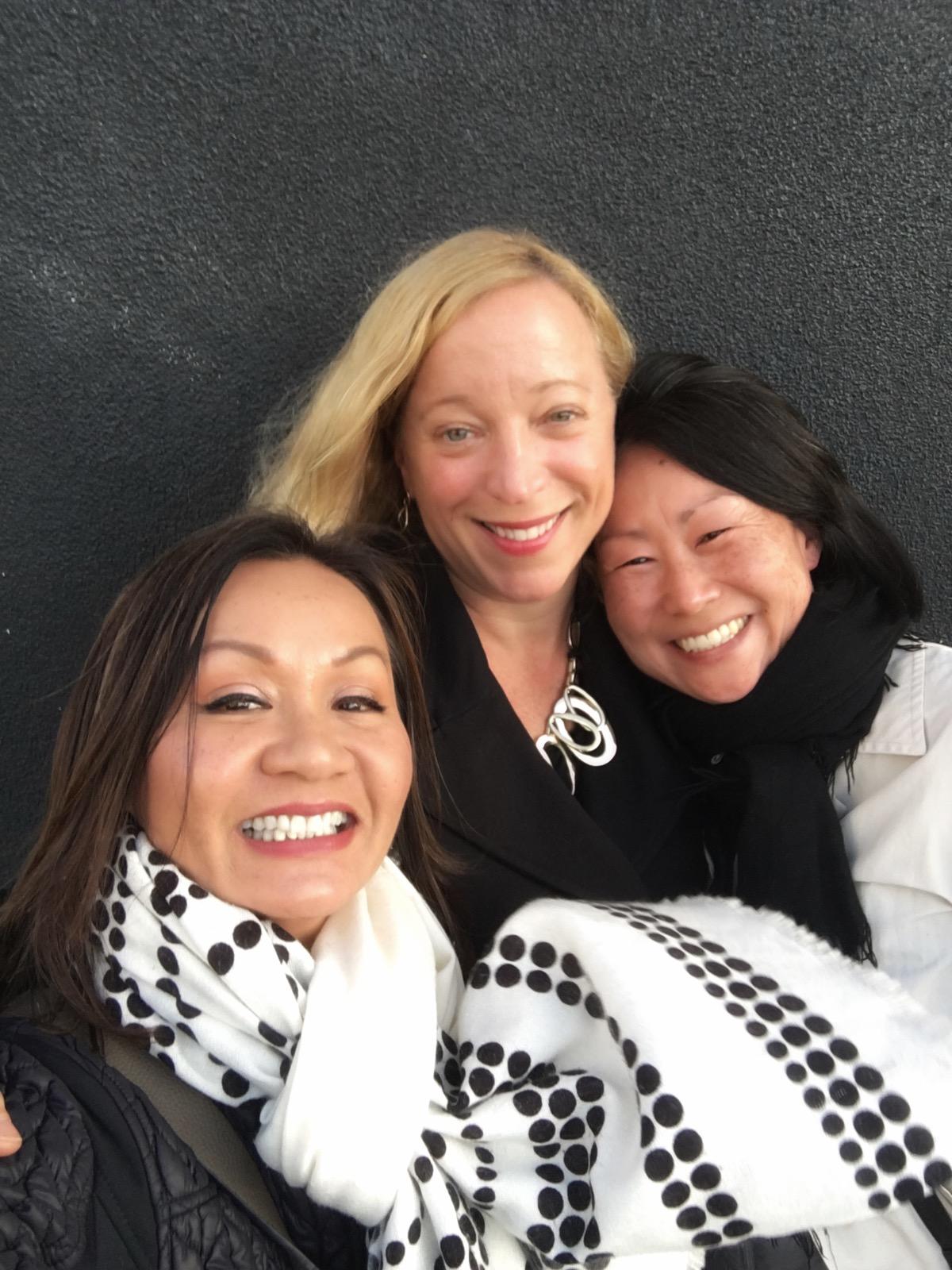
It was San Francisco Small Business Week this past week and the city was full of entrepreneurial energy. At the kick-off celebration, Flavors of San Francisco, last Monday the Cityview Room of the Metreon was filled with great food from over 30 San Francisco restaurants and catering companies. The room was packed with small business owners and supporters. I got a chance to connect and catch up with Mark Quinn from SBA,Gwen Kaplan of Ace Mailing, PTA AssociatesKen Stram and Monika Hudson, and Lisa Kirvin from Renaissance Entrepreneurship Center.
With Renaissance’s Lisa Kirvin at Flavors of San Francisco
On Wednesday, as part of the Small Business Conference at San Francisco State, I gave a workshop on Business Planning 101+ to a crowd of about 100 people. Things got off to a rocky start. (There always has to be a tech problem, right?) The PowerPoint presentation wouldn’t work so I got everyone on their feet for a little yoga… and a chance to get to know each other. Then, with a some help from the SBW tech staff and Renaissance’s Executive Director Sharon Miller, we got back on track.
I focused my talk on the basics of business planning and eight critical success factors for a small business launch (more on that soon). I also shared student stories from Renaissance Entrepreneurship Center’s 14-week business planning class, including Neil Gottlieb of Three Twins Ice Cream, Judi Henderson-Townsend of Mannequin Madness, Zel Anders of Tomboy Tailorsand Lori Shannon of See Jane Run.
The room was full of people with small business ideas eager to take their business concepts to the next level. It was fun to share stories and help motivate them to take the leap of faith into small business ownership. The point is to s-t-r-e-t-c-h, focus, and make it happen!
At a recent Potrero Dogpatch Merchants Association meeting, San Francisco Supervisor Scott Wiener came to talk with us about his proposed mobile food truck legislation, which he introduced at a Board of Supervisors meeting last November. His goal with the new legislation is to make it easier for mobile food businesses to operate in the city, while also protecting the interests of brick-and-mortar restaurants who are negatively affected when food trucks (that don’t pay rent) park nearby.
People enjoying the Liba Falafel food truck in San Francisco
The current food truck regulations haven’t been working well for either side. If Supervisor Weiner’s new legislation is passed, it would prohibit food trucks from doing business within 50 feet of a restaurant but would also allow food trucks to operate in parts of the city where they’ve been previously banned.
At the PDMA meeting, Supervisor Weiner explained to us that that current rules have made whole areas of the city, including a large portion of the Mission, off-limits to food trucks. He wants to encourage more trucks to congregate in areas like SOMA and the Financial District. The bill would legalize food trucks on all hospital and college campuses and allow trucks to park closer to schools, decreasing the buffer from 1,500 feet down to 500 feet for middle schools and between 750 and 1,000 feet for high schools.
PTA has worked with and taught restaurant owners and food truck owners and we understand the challenges on both sides—the costs, the competition, finding the right location, scalability and market demand. Running a small food business—whether it is attached to one spot or mobile—is very hard work and it is important that our local legislators are listening to business owners’ concerns and supporting small business issues. I appreciate Supervisor Weiner’s efforts to move the conversation forward.
Posted by: PTA on: May 11 2013 • Categorized in: Event,PTA
On Thursday May 9th a very happy crowd gathered at the Marine’s Memorial Club in San Francisco for the Small Business Network’s Annual Awards Gala. Mayor Ed Lee was there at the start to welcome us all and emphasize his support for many new small business initiatives in the city.
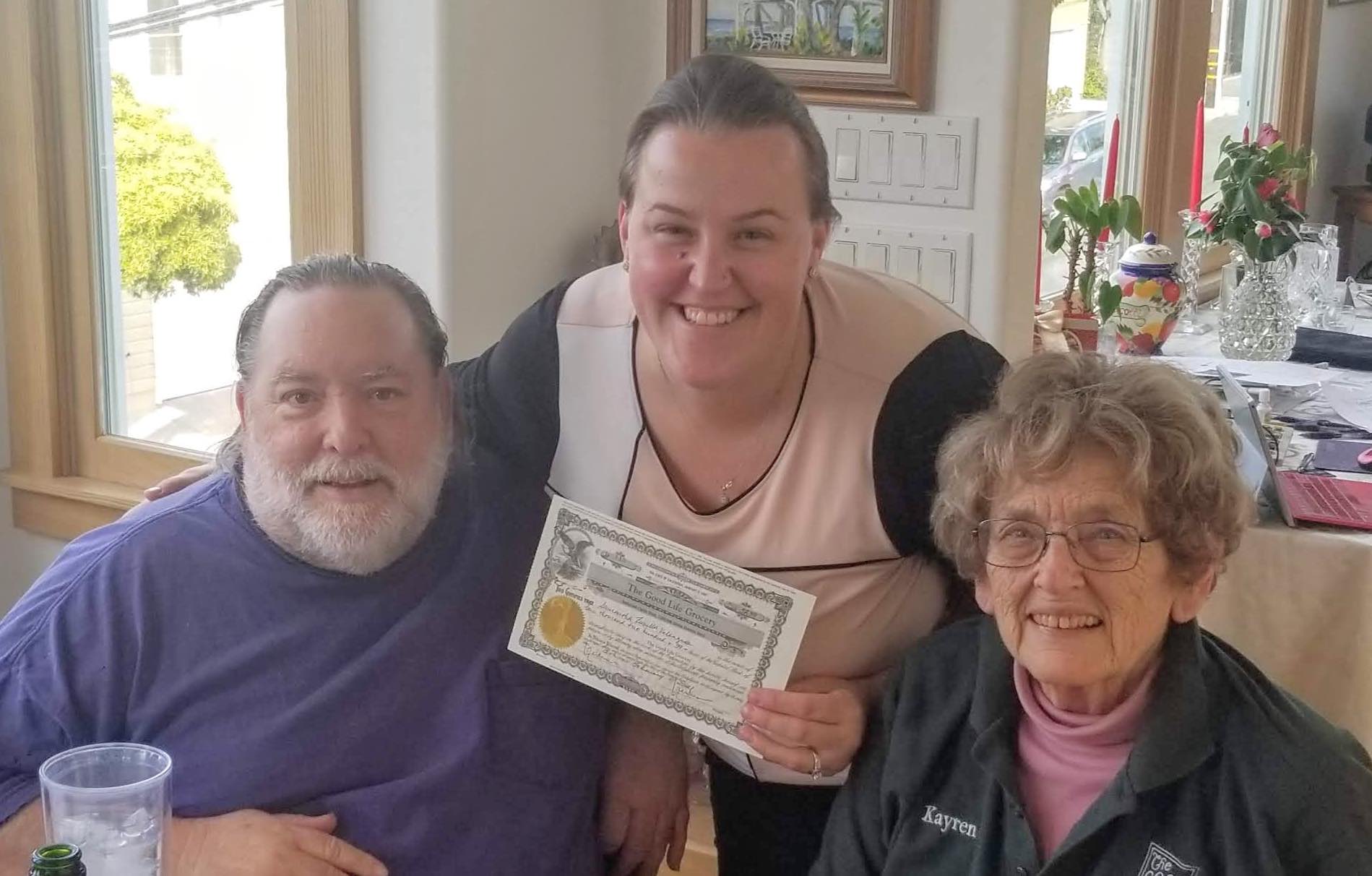
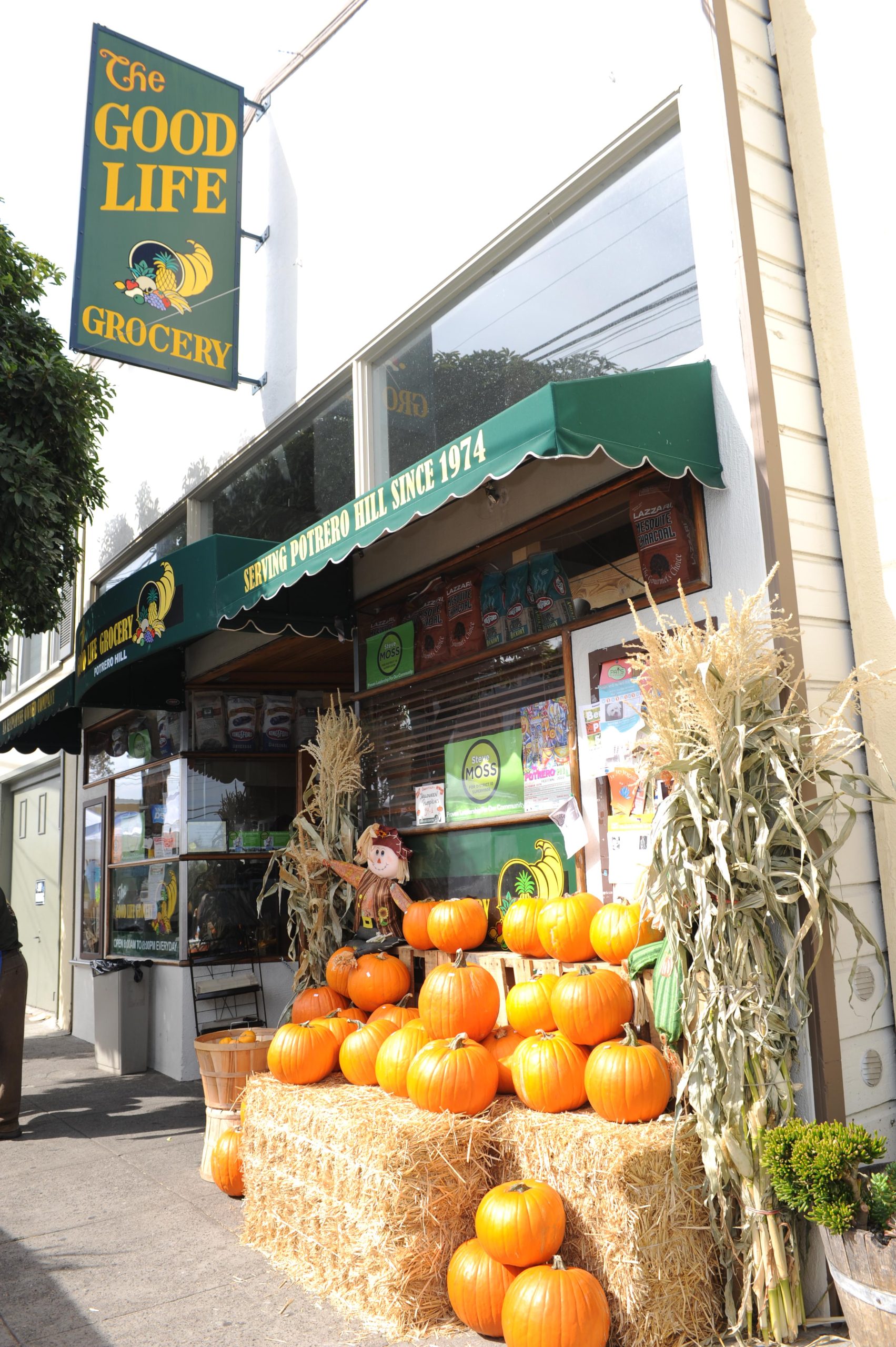
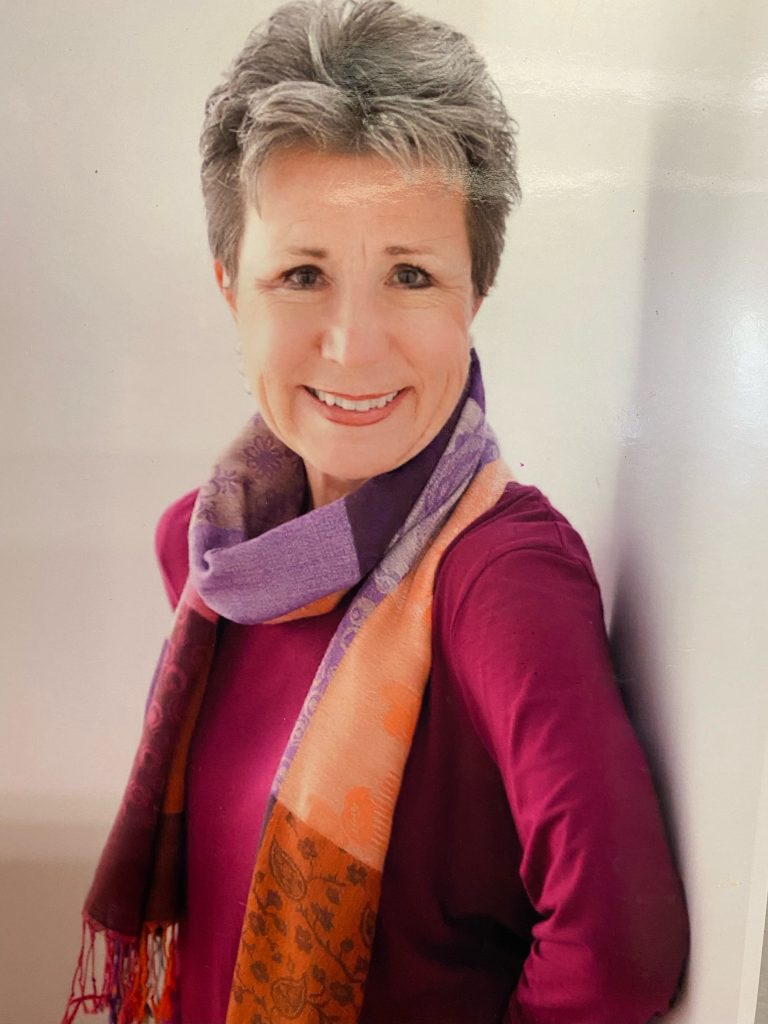
I was honored to be one of the nine award winners, receiving the Small Business Advocate Award for my role as a small business owner and my involvement in the small business community for the past 30+ years. My business friend and long-term client, Kayren Hudiburgh, co-owner of The Good Life Grocery, was kind enough to introduce me and relate all the many years of our work together, both on her business and in the Potrero and Bernal Heights communities.
I got my start by owning and selling four businesses—a wholesale distribution company, two retail food businesses and a training seminar business. I then founded Paul Terry & Associates to help others start and manage their own small businesses. I see my role as an advocate—encouraging and supporting the passion and commitment of small business owners while providing tools and advice to create a sound foundation for success. I love working with business owners at every stage—teaching business planning to entrepreneurs getting ready to launch their businesses, and working with established small business clients through all stages of their business growth.
If you’ve always wanted to test the commercial market and see if anyone would buy your homemade granola or your Grandma’s cinnamon cookies, now you can…and do it legally. You can cook at home and do not need to rent a commercial kitchen. However, there are some low hurdles to step over and then you can be ready for your first steps to food business success!
In January, 2013 the California Homemade Food Act was signed into law, making it legal for people to sell “low-risk foods” produced in their home kitchens. A food entrepreneur who wants to qualify as a Cottage Food Operation must meet a few criteria:
Have gross sales this year of $35,000 or less (by 2015 this will go up to $50,000),
Complete a food processor training course, and
Have product labels that meet state and federal requirements.
There are more details of course. Note the two categories of cottage food operation:
Class A operations can only sell directly to the consumer (which can include at community events, farmers’ markets and through CSA subscriptions) and can register with a self-certification compliance checklist.
Class B operations must be inspected to receive their permit but can then sell to restaurants, retail food stores and food trucks.
Before this legislation became law, you needed to use a commercial kitchen or food processing facility (such as Eclectic Cookery) to legally sell your food product (or join a kitchen incubator, like La Cocina). For many entrepreneurs who are just starting out, testing their food business ideas by renting a commercial facility is cost prohibitive. Now there is a way to start small at home legally.
The success of the now-closed Underground Market in San Francisco is a clear sign of how many people will be able to benefit from this new law and also how many people want artisanal food. With a pick-up in the economy, there should be more customers for a good product… if it is sold effectively and meets the considerations of the target market. It is a great time for micro businesses and home-based entrepreneurs to really test their products, their ability to do the work and their commitment to be small business owners. There’s a lot of new energy out there to support small food businesses and new policies like this Homemade Food Act to stimulate the growth of the industry.
Posted by: PTA on: April 26 2013 • Categorized in: Event
On Wednesday night, Anchor Brewing hosted the annual Potrero Dogpatch Merchants Association (PDMA) member celebration. Anchor provided the beer and food was donated by local businesses. About 150 people came together to celebrate our community of neighborhood businesses and get to know each other better.
I invited four local business owners to attend so they could meet and network with fellow merchants. Networking can be hard to do if you haven’t done it much before. Often it takes getting out there and meeting people two or three times before you develop any lasting connections… but it does work. By putting yourself out there, sharing who you are and what you do, learning about other people and creating new connections…this is how we build a strong, local business community.
I’ve been a member of PDMA for the last three years and currently serve on the association’s board of directors. Joining this group and actively participating in neighborhood business meetings and events has been a great way for me to engage with the neighborhood and other business owners. For me, community service and advocacy is a key part of what it means to be an active local small business owner. If we can strengthen the small business community neighborhood by neighborhood, the entire city benefits.
I hope you are getting out there, too, and making new connections in your community. If you need a place to practice pitching who you are and what services or products you have, let me know. I may be able to direct you to a group that can help you do that. Be in touch!
When I owned a cheese store in San Francisco in the 1980’s I felt like we were in the middle of a food revolution—there was so much energy around “back to the land”, natural gourmet food, vegetarianism, food buying clubs and food cooperatives. We are now in the midst of another food revolution. This time it’s a food and technology revolution. There is a resurgence of small food businesses that are focused on craft, sustainability and supporting their communities, and at the same time the internet is completely changing the way food is being distributed and sold.
cupcake from Black Jet Bakery
There are many new internet tools to support small businesses and many are being created specifically for food businesses. This includes a crowd funding platform specifically for food entrepreneurs (YumSpring), a search engine for food industry jobs (Good Food Jobs), a new entrepreneurial education and online community for mentoring food start-ups (Local Food Lab), an online wholesale service (Buyer’s Best Friend), and a new portal to market and distribute food products directly to consumers (Good Eggs). It is an exciting time to be starting and running a food business!
For new food businesses, this type of publicity and connection to potential customers is invaluable. Access to markets is key for any small or micro business. Setting up an online store or trying to get into a local retail outlet can be a daunting or competitive proposition.
juice from Sow Juice
But if you can prove there is a market, satisfy the marketplace with good services, and build a following through these new online platforms, you just might prove your business model, make it into the mainstream, and develop a sustainable business.
These new internet tools are making it easier for small food businesses to get support, find community and connect with the markets they need to be successful. May they take root and flourish!
Posted by: PTA on: March 11 2013 • Categorized in: Event,Profile
As part of the lead-up to the eighth annual San Francisco Small Business Week (May 13-18, 2013), I was interviewed for the San Francisco Small Business Week blog.
The week is designed to offer a series of educational and networking events to educate, connect and celebrate the small business community in San Francisco. This year’s festivities will include a conference with 50 free workshops and seminars for small business owners (I’ll be speaking about business planning), a gala called Flavors of San Francisco, and an awards ceremony hosted by the Small Business Commission, the Mayor’s Office and the Board of Supervisors to recognize exceptional small businesses from each district and city-wide.
Here’s my interview with Small Business Week…
SMALL BUSINESS WISDOM FROM PAUL TERRY
Small businesses in San Francisco have a wealth of opportunities to access wisdom and technical assistance from a variety of small business experts who provide one-on-one counseling, technical assistance, and instruction through neighborhood and community-based nonprofit agencies. The San Francisco Small Business Week Committee is pleased to share wisdom from these experts who help the small businesses that shape our communities to succeed.
Today we hear from Paul Terry, business planning coordinator at Renaissance Entrepreneurship Center, who believes that one of the keys to success is making a life-long commitment to education.
What role do you play in supporting San Francisco’s small businesses?
I’ve supported small businesses for more than 25 years as an independent business consultant and owner of Paul Terry & Associates with skills that I developed from launching my own food, distribution and training businesses in San Francisco. I am also the business planning coordinator and primary instructor at the Renaissance Entrepreneurship Center. I was one of the initial developers of Renaissance Entrepreneurship Center’s entrepreneurship program, business incubator, and business support program.
The role I play in supporting small businesses involves teaching, empowering, and encouraging entrepreneurs to start and grow businesses. The training and consulting helps people build their confidence and access the resources they need to be successful in business.
As a small business consultant in private practice, I work with 25-30 businesses each year to facilitate growth and transition, to build effective partnerships, and to implement strategic planning solutions. Over the years, I’ve taught 7,500 entrepreneurs, and I’ve supported over 600 small businesses.
In your years of working with entrepreneurs, what has emerged as the greatest challenge to a small businesses success?
One of the biggest challenges relates to maintaining balance. New business owners need to recognize that their entrepreneurial skills – their ability to get the business up and running – need to be in line with the complexity of the business model. They need to hone their skills, tap into their confidence and develop the scale of business that makes sense for who they are at a particular time. New skills are then required on an ongoing basis as the business grows in size and complexity.
Another challenge facing new businesses involves joint ventures and business partnerships. If the business partners fail to clearly define the relationship at the early stages, problems quickly emerge and often create disruptive conditions as the business grows.
A third challenge for a new business occurs when the entrepreneur attempts to transition from a full-time job — working for someone else — to working in a business that is not immediately profitable. People need to be realistic about the appropriate amount of capital they need launch and grow to profitability.
The common thread – and the reason people come to me – is that they are stuck. They need a better framework for making educated decisions and they need access to the appropriate mentors, advisors and associates for advice and direction.
In your experience, what is the biggest key to long-term success for a small business?
Businesses that have been around for a long time survive and thrive because they provide very good services to established clientele with fair terms and conditions. Long-term success also requires being nimble enough to adapt to new markets, emerging trends, and new technologies.
There are macro and micro competitive forces that can undo a successful business. It is key to make a life-long commitment to education, strategic thinking, and new skills development.
What are some of the most important ways in which small businesses shape communities in San Francisco?
Small businesses define the character of our neighborhoods in San Francisco. The appropriate mix of small businesses enriches and energizes a particular area, which attracts tourism and inspires residents to shop locally. Small businesses invest in their communities by hiring locally, engaging in local politics, donating to nonprofits, building parklets and other community spaces, and doing all the critical things that make our neighborhoods more enjoyable. Small businesses are the advocates of local development and define the flavor and culture of this city – with “pop-ups”, food trucks, trunk shows and an involvement in the local areas where they live, work and play.
Posted by: PTA on: March 7 2013 • Categorized in: Profile
The author of Transitions completed his own transition. Dr. William Bridges died on February 17th. He was a pioneer on the work of transitions and transformed the way people think about change. Through his business networks and books (Transitions and Managing Transitions), he had a huge impact on many people, including me. He gave us tools to help us understand and talk about change and he explored how people actually experience change and what they need to get through it.
In 1980 he published Transitions: Making Sense of Life’s Changes. In it he proposed that even though change is situational, transition is psychological and something that needs to be better understood, especially in our fast-paced world. He believed that people experience change in three stages: first as an ending, then as a period of confusion and distress, and finally as a new beginning. He observed that people often try to skip from the first stage to the last but he proposed we spend time in the middle step—or as he called it, “the neutral zone.”
In his obituary in The New York Times on Sunday, Jim Kouzes, the author of The Leadership Challenge, was quoted as saying that “Bill’s major contribution was to give us permission to talk about the pain and difficulty of change and acknowledge that it can be very confusing. Americans have shame around pain—success is somehow supposed to be easy. If you are struggling, it’s as if you’ve failed. Bill… said, yes, you can find real meaning in change but only if you are willing to experience the pain.”
Tom Yeomans, founder of The Concord Institute reflected that “Trust informed Bill’s process and trust is the core idea of self-reliance—trusting your instinct, what you know, your potential to be more truly yourself, trusting the process of change and moving with it.”
For me, Bill Bridges was a mentor. I met him twenty years ago at a networking group and we talked all the way down in the elevator. I told him about my work training new entrepreneurs and established business owners and how they struggle with scary transitions in start-up and expansions. He wanted to know more and after a few lunches together was very supportive of what I was trying to do to support small businesses. “This is very key work” he said, “so write a book on it.” I did not write a book but I am so grateful for his support and mentorship as I developed my early consulting practice. It is so often our business friends and mentors that help us through “the neutral zone” on the way to those new beginnings.
Posted by: PTA on: February 25 2013 • Categorized in: Event
BE HERE NOW. The ultimate “mantra” voiced by Dr. Richard Alpert, known to many of us as Baba Ram Dass. Last Friday night I saw “Acid Test: The Many Incarnations of Ram Dass” at The Marsh in Berkeley. It featured Warren David Keith as the performer and was written by Lynne Kaufman. This one-man play covered three significant events in the life of Ram Dass – meeting his guru Neem Karoli Baba in India, being present at his father’s passing, and dealing with a serious and debilitating illness in these last years of his life. The performance was fun, sad and deeply effective. Now, it may have been particularly enjoyable to me because I met both Ram Dass and his guru (referred to as “the blanket Baba”) in India in the 1970’s. At the time they were funny, powerful and quite present.
In his many books and lectures Ram Dass has gifted us with his message of mindfulness. For him, it is all about being and staying in the now. It is difficult to “be here now”, though. When you think about it, it’s already behind you. When you contemplate where you want to be or what you want to do, you are beyond the present moment.
I spoke briefly with Warren David Keith after the show. He told me about performing the play for Ram Dass at his retreat in Maui. He said Ram Dass was very frail but very present. How often does someone get a chance to see their life story acted out in front of them? If we were to see our own story played out before our eyes, could we “be here now”, too?
In our own businesses we try to stay present – in front of clients, ordering inventory, hiring staff, reviewing financials. Can we assess past performance and plan for the future while also being present and aware? It may be difficult but it might help us stay focused on what is most important and run our businesses with openness and mindfulness.
If you are interested in seeing the play, it’ll be at The Marsh in San Francisco on April 12th.
Well …he wasn’t talking only with me. Along with hundreds of people, I got the chance to hear Barbara Kingsolver speak with Al Gore at Herbst Theater in San Francisco on Tuesday night. I really went to hear Barbara Kingsolver, as I had just finished reading her latest book, Flight Behavior. (As I listened to her speak the butterflies from her book kept fluttering through my mind.) Perhaps Al and Barbara had “butterflies” but I think not—they were both so poised, balanced and professional from the start of their exchanges.
Outside the theater there were protestors upset that Gore is not being “green enough” but we went on through to claim our seats. There were murals on the walls and perhaps butterflies in the air, as there was a buzz for sure. Al Gore was contemplating “The Future: Six Drivers of Global Change”.
They started poised and respectful of each other’s contributions to the topic and their work to date. Barbara’s questions were insightful and calm. Al Gore started quietly but in the end he nearly jumped from his seat as he wound up and delivered on the six drivers of global change.
From his perspective, those are:
the increasing economic globalization that has created Earth Inc.,
global communications that can reach billions of people at a time,
the shift of global economic and political power without perhaps the USA at the center,
a deeply flawed economic compass leading us to unsustainable use of all resources,
biotechnology, neuroscience and life science revolutions with power in only a few people’s hands, and
a radical disruption of ecosystems and human consumption that impact energy systems worldwide
What he shared was depressing and definitely overwhelming, and yet here was another inconvenient truth from Al Gore. The silver lining of his message was to take a small piece of an issue — community based or national — do something different and bring others with you. One small step by each one of us could be one giant step for all of us. He views it as “a contest between the Global Mind and Earth Inc.” How this battle plays out depends on us, and, particularly, on the revitalization of democratic institutions in the United States. Let’s discuss and act!